The sparkle of an engagement ring is often quickly followed by a crucial, sometimes overwhelming, question: "How much is this all going to cost?" Budgeting and financial planning for your wedding isn't just about crunching numbers; it's about setting realistic expectations, aligning your vision, and starting your married life on a strong financial foot. Forget the stress; think of it as your first major joint project as a couple. This guide will walk you through building a wedding budget that works for you, ensuring your big day is everything you dreamed of without the financial hangover.
The truth is, weddings can be expensive. The Knot's 2025 Real Weddings Study, which surveyed nearly 17,000 couples, found the average wedding cost hovers around $33,000. While that number might initially induce a cold sweat, remember it's just an average. Your wedding cost will ultimately depend on what you can afford, your location, the time of year, and most importantly, your priorities as a couple.
At a Glance: Your Wedding Budget Essentials
- Be Realistic: Understand your financial limits and discuss contributions openly.
- Prioritize: Decide what matters most to you and allocate funds accordingly.
- Guest List Impact: Your guest count is the biggest cost driver.
- Track Everything: Monitor spending diligently to avoid surprises.
- Factor in Hidden Costs: Account for taxes, service fees, and unexpected extras.
- Build a Buffer: Always include a contingency fund (at least 5%).
- Communicate: Keep the lines of communication open with your partner and contributors.
Decoding the Wedding Cost Puzzle: Where Does All That Money Go?
Before you even think about setting numbers, it's helpful to understand the general landscape of wedding expenses. While every wedding is unique, there's a typical allocation of funds that can serve as a starting point. Keep in mind that these percentages are guidelines; your final breakdown will reflect your personal choices and priorities. Not every couple hires every vendor, so the total percentages might not sum to exactly 100%.
Here’s a sample budget breakdown based on industry data:
- Venue and Rentals: 27%
- This is often your largest single expense, covering the physical space for your celebration. It can also include event rentals like tables, chairs, and dishes, though sometimes these are bundled directly with the venue package.
- Catering, Cake, and Drinks: 24%
- Feeding and toasting your guests is a significant part of the experience. This category usually includes the main meal, appetizers, desserts, and beverages (alcoholic and non-alcoholic), often integrated into venue packages.
- Photography and Videography: 10%
- These are your lasting memories. Many couples consider this a highly valuable investment, capturing moments you’ll cherish for a lifetime.
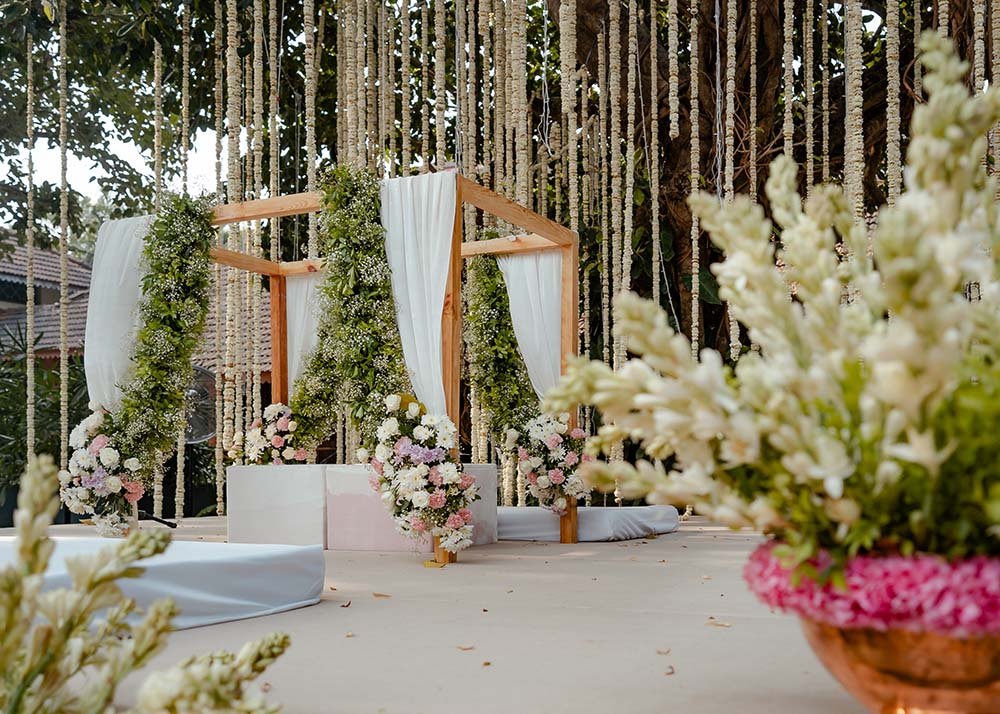
- Floral Design and Decor: 9%
- From bouquets to centerpieces, this includes both floral and non-floral elements like lighting, signage, and other decorative touches that set the mood.
- Music: 8%
- Whether you opt for a live band, a DJ, or ceremony musicians, music dictates the vibe of your day and gets guests on the dance floor.
- Couple's Attire and Beauty: 6%
- This covers the wedding dress, suit, shoes, and accessories for the couple. It typically does not include attire or beauty services for the wedding party.
- Wedding Rings: 5%
- These are your symbols of commitment, separate from the engagement ring.
- Wedding Planner: 4%
- For professional assistance with everything from vendor selection to day-of coordination, a planner can be an invaluable investment, potentially saving you stress and money in the long run.
- Guest Entertainment: 3%
- This optional category includes unique experiences like photo booths, live painters, or additional performers to delight your guests.
- Transportation: 2%
- Think shuttles for guests, limousines for the wedding party, or special transport for the couple.
- Stationery: 1%
- Invitations, save-the-dates, programs, menus, and thank-you cards all fall under this banner.
- Officiant: **1%
- The person who legally marries you and guides your ceremony.
Beyond the Big Day: Other Essential Wedding-Related Costs
It’s easy to focus on the wedding day itself, but many associated expenses often surprise couples. Don't let these catch you off guard:
- Engagement Ring: If not already factored in, this is the first major wedding-related purchase.
- Rehearsal Dinner: A traditional pre-wedding gathering for close family and the wedding party.
- Gifts: Small tokens of appreciation for your wedding party, parents, or each other.
- Wedding Party Attire and Beauty: While usually covered by the wedding party members, it's worth discussing who pays for what, especially if you have specific requests.
- Honeymoon: Your post-wedding getaway – a significant expense that often isn't included in the main wedding budget but absolutely should be part of your overall financial plan.
The Big Influencers: What Really Drives Wedding Costs?
Your wedding budget isn't a static number; it's a dynamic reflection of your choices. Several key factors can significantly swing your overall expenses. Understanding these upfront helps you make informed decisions and manage expectations.
What You Can Truly Afford (And Who's Contributing)
This is your foundation. Before you get swept away by Pinterest boards, have an honest, realistic conversation with your partner about your collective spending capacity. How much do you have in savings? How much can you comfortably save from paychecks? Equally important: who else is contributing? Openly discuss potential contributions with parents or other family members, and crucially, understand if their financial involvement comes with expectations for decision-making. This early clarity prevents potential conflicts later in your ultimate marriage guide.
The Guest List: Your Budget's Biggest Lever
This is arguably the most impactful decision on your budget. More guests mean more of almost everything: more food, more drinks, more tables, more chairs, more centerpieces, more invitations, and often a larger venue. Many expenses are "per-head" costs, so even a small reduction in your guest list can lead to substantial savings across multiple categories.
Location, Location, Location: Destination and Venue Choices
Where you tie the knot matters. Costs vary dramatically between major metropolitan areas and smaller towns, or between peak tourist seasons and off-peak times. The type of venue also plays a huge role – a grand ballroom will likely cost more than a charming local park or a restaurant buyout. Be aware that many venues have headcount or per-head minimums, which can influence your guest list size.
The Calendar Conundrum: Date and Time
Timing is everything. Peak wedding season (typically May through October) is generally more expensive due to higher demand. Saturdays, Sundays, and evening receptions usually command premium prices compared to weekdays, off-season dates, or daytime events like brunch or afternoon receptions. A Thursday evening wedding in March, for example, could be significantly more budget-friendly than a Saturday night in June.
Your Wedding Style: Formal vs. Casual
The overall aesthetic and formality of your wedding will also impact costs. A highly formal affair typically incurs higher expenses for elaborate decorators, multi-course plated meals, larger live bands, and extensive decor like specialty linens, grand floral displays, and bespoke lighting. A more casual, intimate celebration naturally lends itself to a more conservative budget.
Dodging Disasters: Common Wedding Budget Mistakes to Avoid
Even with the best intentions, couples often stumble into common financial pitfalls during wedding planning. Being aware of these traps can save you stress, arguments, and a lot of money.
Not Using a Budget Advisor or Tool
Trying to manage your budget solely in your head or on a scattered notepad is a recipe for disaster. Tools like The Knot Wedding Budget Advisor or a simple but robust spreadsheet can guide your allocation, track expenses, and give you a real-time view of your financial health. These resources are designed to help you stay on course.
Misallocating Funds (Or Forgetting Key Expenses)
It's easy to overspend on the "fun" stuff and neglect less glamorous but essential categories. Ensure your budget accounts for all expenses, from the officiant's fee to the honeymoon. Often, couples forget to factor in items like post-wedding thank you cards or even the cost of marriage license fees.
Not Tracking Spending Diligently
A budget is only effective if you stick to it and monitor it constantly. Implement a system – whether it's a dedicated app, a shared spreadsheet, or even a binder – to meticulously track every dollar spent and every payment made. Reconcile your spending monthly, just like you would your household finances.
Forgetting Unexpected Costs & Extras
This is where budgets often unravel. Hidden fees, surcharges, and last-minute "must-haves" can quickly add up. Always read vendor contracts thoroughly for potential hidden fees. Common extras include:
- Overtime: For your venue, photographers, DJ, or other vendors who stay longer than contracted.
- Service Fees: Often 20-25% of food and drink costs, sometimes confused with gratuity.
- Pre-Wedding Trials: Hair and makeup trials, florist demos, cake tastings.
- Small Decor Details: Stamps for invitations, ribbons, guest book pens, signage stands.
- Marriage License Fees: A small but necessary cost.
- Gratuities/Vendor Tips: Allocate a generous amount – at least $800 is a good starting point for various vendor tips.
Not Allowing Room for Overspending (The Contingency Fund)
No matter how meticulous you are, something will inevitably cost more than anticipated, or a new expense will pop up. Earmark at least 5% of your total budget for unforeseen costs. This buffer provides peace of mind and prevents you from dipping into savings or, worse, going into debt.
Overlooking Rewards Programs
If you're making significant purchases, why not get something back? Use a dedicated account and a credit card with benefits (mileage, cashback, rewards points) for all wedding purchases. Crucially, pay it off monthly to avoid interest and fees. Cashback programs like Rakuten can also offer small but meaningful savings.
Not Discussing Priorities From the Start
Without a shared vision, you risk misaligning funds and causing unnecessary friction. Sit down with your partner early on and identify your top three priorities for the wedding – is it incredible food, stunning photography, or an epic dance party? Allocate extra funds to these top-priority items and be disciplined about budgeting conservatively for lower-priority elements. Remember, your wedding budget is a shared financial decision that sets the tone for your ultimate marriage guide. Avoid taking on excessive debt for one day.
Not Being Tough on the Guest List
As mentioned, this is your most powerful cost-cutting tool. While it can be emotionally challenging, narrowing the guest list is the single most effective way to reduce costs across multiple categories, from catering to stationery. Be firm, consistent, and diplomatic.
Forgetting to Invest in Insurance
Special event insurance for cancellation, postponement, or liability is a worthwhile investment. It can protect you from unforeseen circumstances like a vendor no-show, venue damage, or even extreme weather. Some venues or vendors may even require it, especially for at-home events. Think of it as peace of mind for a relatively small cost.
Not Being Realistic About Costs
It’s tempting to believe you can get everything you want for less, but a lack of realism can lead to continuous budget creep. Research the general costs of each wedding element in your area before setting your budget. This helps you allocate funds effectively and avoid sticker shock later.
Your 8-Step Action Plan: Building a Wedding Budget That Works
Now, let's turn knowledge into action. Creating your wedding budget doesn't have to be daunting. Follow these eight steps to build a solid financial plan for your special day.
Step 1: Take Stock of Your Existing Funds
Before you can plan what to spend, you need to know what you have. Sit down and assess your personal or joint savings that you're comfortable contributing towards the wedding. Then, calculate how much you and your partner can realistically save from your paychecks between now and the wedding date. Be honest and conservative. A golden rule for starting married life is to avoid taking out loans or withdrawing from retirement accounts for your wedding.
Step 2: Figure Out Who Will Contribute – And How Much
This step requires open, honest conversations. Talk with your parents, grandparents, or any other family members who might be contributing financially. Clearly communicate your overall budget goals and ask what they are willing and able to contribute. Crucially, discuss their involvement in decision-making if they contribute funds. Setting these boundaries and expectations early helps prevent misunderstandings later.
Step 3: Discuss Your Shared Vision
With your partner, create an overarching vision for your wedding. Do you dream of a grand celebration with hundreds of guests, or a more intimate gathering? Is a casual backyard BBQ more your style, or a sophisticated black-tie affair? This shared vision acts as a compass, guiding all subsequent budget decisions and ensuring you both are on the same page, a vital component for your ultimate marriage guide. Make sure this vision fits within the general budget parameters you've established.
Step 4: Brainstorm Your Guest List (Realistically)
Before solidifying your budget categories, brainstorm your guest list. This doesn't have to be the final count, but a realistic estimate. Remember, the guest count is a primary driver of expenses for food, beverages, tables, centerpieces, and place settings. Having a rough number allows you to estimate per-head costs more accurately.
Step 5: Make a Detailed Spending Plan
Now, it's time to allocate your total budget into specific categories using the percentages discussed earlier as a guide. For example, a common planning strategy, according to wedding planner Carina Van Son, suggests roughly 1/3 for food/beverages, 1/3 for decor/rentals, and 1/3 for photography/planning/other vendors.
Decide if your overall budget includes significant items like the honeymoon or the rehearsal dinner. If not, create separate mini-budgets for them. Break down each category as much as possible – don't just put "Venue," but break it into "Venue Rental Fee," "Ceremony Fee," "Service Charge," etc., if those are distinct costs.
Step 6: Determine How You'll Track Payments and Balances
A spending plan is useless without a tracking system. Set up a dedicated spreadsheet (Google Sheets or Excel works great) to monitor payments made, upcoming payment due dates, and outstanding balances owed for each vendor. Include columns for budgeted amount, actual cost, payment date, and notes. This system provides clarity and helps you avoid missed payments or overspending.
Step 7: Create a Plan for Handling Budget Changes
No budget is set in stone. Discuss and agree with your partner whether your budget is firm (no going over!) or if there's a little flexibility for minor adjustments. Communicate hard limits to your vendors from the start. If you find yourself over budget in one area, you must find a way to cut back in another. For example, if you splurge on a live band, you might need to opt for simpler floral arrangements. Agree on a process for making these adjustments together.
Step 8: Don't Put It Off!
The biggest mistake you can make is delaying the financial conversations. Address your finances, priorities, and potential contributions early in the planning process. Procrastination only leads to increased stress, potential conflict, and fewer options for compromise later on. Tackle this foundational step first, and you'll find the rest of your wedding planning journey much smoother and more enjoyable.
Getting Started: Your Next Steps
You now have the framework to approach your wedding finances with confidence and clarity. Remember, your wedding day is a celebration of your love and commitment – not a competition to spend the most. By being proactive, realistic, and communicative, you can craft a beautiful wedding that reflects your unique style and respects your financial well-being. This journey of financial planning together is a powerful first step in building a strong foundation for your ultimate marriage guide, well beyond the wedding day itself.
Start by taking out a pen and paper (or opening a spreadsheet) with your partner. Discuss your current savings, potential contributions, and your core vision. From there, you can begin to build a budget that sets you up for a joyous celebration and a financially sound future together.