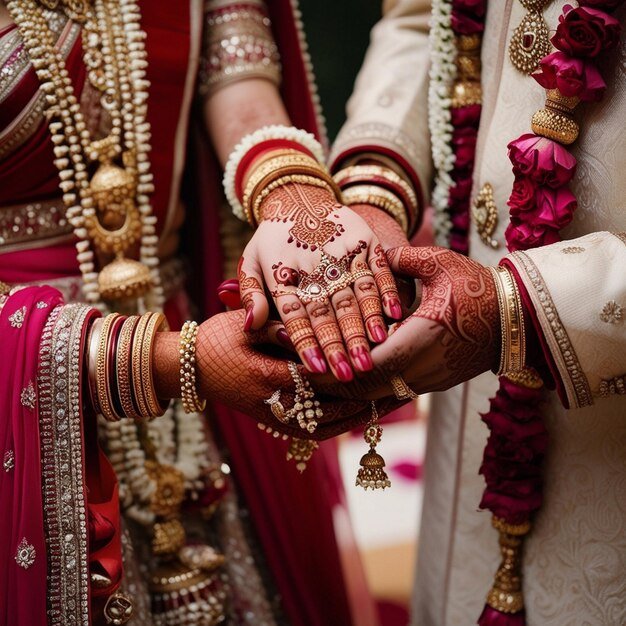
The flutter of a white dress, the exchange of rings, the joyous celebration with loved ones—these are universal symbols of matrimony. Yet, beneath these common threads lies a vibrant, intricate tapestry of customs, beliefs, and rituals that infuse "I do" with unique cultural significance. Cultural and themed wedding traditions are far more than mere embellishments; they are living testaments to history, heritage, and the profound meaning of love in every corner of the globe.
From ancient blessings to modern adaptations, these traditions reveal how societies celebrate commitment, honor family, and embark on new beginnings. They are a rich narrative, passed down through generations, shaping not just a single day, but the very foundation of a couple's journey together.
At a Glance: Your Guide to Global Wedding Traditions
- Deep Roots: Wedding traditions are living history, connecting couples to their ancestors and cultural identity.
- Universal Themes: Across diverse practices, common threads emerge—unity, prosperity, family honor, and enduring love.
- Symbolic Power: Every ritual, object, and color holds specific meaning, enriching the commitment being made.
- Modern Adaptations: Today’s couples often blend traditions, adapting ancient customs to reflect their unique stories and contemporary lives.
- Respectful Integration: Understanding the history and nuance of a tradition is crucial for its authentic and respectful inclusion.
- Expert Guidance: Professionals familiar with cultural customs can ensure a seamless and meaningful celebration.
Why Traditions Matter: Beyond the Big Day
A wedding isn't just a party; it's a profound rite of passage. For countless cultures, the ceremonies surrounding marriage are critical for cementing societal bonds, transferring blessings, and symbolizing a new phase of life. These traditions provide a sense of continuity, linking the past to the present and guiding the future.
Think about the enduring power of a symbol: a Jewish chuppah isn't just a canopy; it's a portable home, open to all, symbolizing hospitality and the new life the couple builds together. The Hindu mandap likewise represents the sacred space of their new home. These aren't just decorative elements; they are architectural metaphors for love and commitment, underscoring that a wedding is as much about community and continuity as it is about the couple themselves.
A Global Tapestry of Love: Exploring Diverse Wedding Customs
Step into the world's diverse wedding celebrations, and you'll uncover a stunning array of practices, each reflecting distinct values and beliefs. From elaborate processions to intimate family rituals, these traditions are windows into the human heart.
Honoring Ancestry and Family Bonds
Many traditions center around the deep respect for elders and the joining of families, recognizing that a marriage isn't just between two individuals, but two lineages.
- Chinese & Vietnamese Tea Ceremonies: A sacred ritual where the couple serves tea to parents and elder relatives, a profound gesture of respect and gratitude. Elders respond by bestowing blessings, often in the form of red envelopes containing money or jewelry. This ceremony beautifully symbolizes the formal joining of families and honoring ancestry. The color red and the double-happiness symbol are ubiquitous, bringing auspicious good luck to the union.
- Armenian Khosk-Arnel Proposal: Family lies at the heart of Armenian weddings. The engagement begins when the groom's family visits the bride's home, bringing treats and tea to celebrate and formalize the union.
- Black and African American Libation Ceremony: With roots in West Africa, this solemn ritual involves pouring liquid to honor ancestors, seeking their blessing and acknowledging their enduring presence in the couple's lives.
- Korean Paebaek Ceremony: A private family ritual where newlyweds, with the bride often in a vibrant hanbok, show respect to the groom's parents through deep bows. Dates and chestnuts, symbols of fertility, are offered. In an entertaining twist, the parents might throw them back, with the number caught indicating future children.
Symbols of Unity and Unbreakable Commitment
The act of marriage is inherently about two becoming one, and many global traditions visually and ritually manifest this profound concept.
- Irish & Norse Handfasting: The very origin of the phrase "tying the knot," handfasting involves binding the couple's hands with rope, cord, or cloth during their vows. This powerful visual symbolizes their intertwining lives and unbreakable commitment, with different colored cords often representing specific aspects of their marriage.
- Latin American & Mexican Lasso Ceremony: During the wedding ceremony, a decorative rope or rosary is draped around the couple's shoulders, forming an infinity symbol. This lasso (or lazo) signifies their everlasting unity and mutual support.
- Filipino Cord and Veil Ceremony: Sponsors place a figure-eight shaped cord around the couple's shoulders, symbolizing an eternal bond and infinity. Simultaneously, a veil is draped over both individuals, signifying their unity under God's protection.
- Eastern Orthodox Crowning: Central to these ceremonies, crowns connected by a white ribbon are placed on the couple's heads by a priest. This powerful act symbolizes their unity as king and queen of their new home, and a spiritual crowning by God. Greek weddings, for instance, often feature this ritual alongside sipping wine from a common cup.
- Hawaiian Pili ā nai kealoha: After the initial blowing of the pū (conch shell horn) and an "Oli Aloha" chant, the officiant ties the couple's hands together, a beautiful representation of their bond and commitment to one another.
- Japanese San-San-Kudo Ceremony: A reverent and structured ritual, the couple takes three sips each from three sake cups. This creates a bond not just between them, but with their families, symbolizing harmony and good fortune.
Blessings for Prosperity and New Beginnings
New life and abundance are recurrent themes, with rituals designed to bestow good fortune upon the newly formed household.
- Black and African American "Jumping the Broom": At the ceremony's conclusion, the couple jumps over a broom, symbolizing the sweeping away of old lives and the embracing of new beginnings and a shared home.
- Cambodian Gaat Sah Ceremony: During their typically three-day Buddhist weddings, the couple participates in a Gaat Sah ceremony, where a few strands of their hair are ceremonially cut. This act symbolizes leaving their old single lives behind and embracing their new life as a married couple.
- Guatemalan Breaking of the Bell: The groom's mother traditionally breaks a white ceramic bell, filled with rice, flour, and grains, at the reception. This act blesses the couple with abundance, fertility, and prosperity for their future.
- Kenyan Maasai Blessing: A deeply sacred and meaningful tradition where the father of the bride spits on his daughter's head and breasts. Far from disrespect, this act represents good luck, protection, and profound good wishes, as spitting is considered sacred in Maasai culture.
- Pakistani Rukhsati or Doli Ceremony: As the bride leaves her family's home, she throws rice over her head at the threshold. This gesture symbolizes wealth, prosperity, and leaving her mother's nurturing home to start her own.
- Russian Bread and Salt Ceremony: After the civil ceremony, parents greet the couple with a loaf of bread topped with salt. Each partner takes a bite; whoever takes the larger bite is traditionally said to be the head of the household. The bread symbolizes prosperity and fertility, while the salt represents the preservation of love through life's challenges. Similarly, Polish weddings feature parents gifting bread and salt for prosperity and to acknowledge life's bittersweet nature.
- Persian Sofreh Aghd: An elaborate table spread with a myriad of symbolic items, each bringing specific meaning to the nuptials—from honey for sweetness to coins for prosperity.
- Filipino & Mexican Arras: In Filipino weddings, the exchange of 13 coins (arras) symbolizes the couple's commitment to provide for each other. In Mexican weddings, the groom presents thirteen gold coins to the bride, signifying his promise to support her, and she accepts and returns them, symbolizing her trust and stewardship. These coins often represent Jesus and his twelve apostles.
Joyful Celebrations and Festive Revelry
Beyond the solemn vows, weddings are a time for unbridled joy, music, and feasting—traditions that bring communities together in celebration.
- Arab & Lebanese Zaffe Processional: A lively and boisterous processional common across North Africa and the Middle East. Featuring vibrant dancing, drumming, and often elaborate music, the zaffe joyfully escorts the couple into their wedding reception, setting a celebratory tone.
- Colombian La Hora Loca: Translated as "the crazy hour," this is a festive period of revelry during the reception, where guests don props, masks, and often dance enthusiastically to upbeat music, creating an unforgettable party atmosphere.
- German Polterabend & Baumstamm Sägen: Polterabend is a pre-wedding tradition where friends and family break porcelain (never glass or mirrors) outside the couple's home. The couple then cleans it up together, symbolizing teamwork and their ability to overcome obstacles. Post-ceremony, the couple may saw through a log together (Baumstamm sägen), further showcasing their teamwork and partnership.
- Congolese & Ghanaian Money Dance: A vibrant tradition where guests "spray" money on the dancing couple, either by tucking bills into their clothes or showering them over them. This gesture is a blessing for prosperity and a tangible gift to help the newlyweds start their new life. A similar "money spray" is common in Nigerian Yoruba weddings.
- Jamaican & Cuban Feasts: Jamaican weddings are renowned for their good food, dancing, and typically feature a rich black rum cake. Cuban celebrations, often secular, abound with rum drinks and dulce de leche desserts, embodying a spirit of laid-back revelry.
- French & Italian Decadence: French weddings are famous for luxurious culinary delights like delicate macarons and towering croquembouche wedding cakes. Italian celebrations similarly emphasize "la dolce vita" with exquisite food, such as the millefoglie wedding cake, and joyful dancing. Guests receive bomboniere, small gifts containing five sugared almonds, symbolizing the bittersweet nature of life and an indivisible bond, as tokens of appreciation.
- Turkish Keşkek: A hearty chicken, wheat, and barley stew, keşkek is traditionally prepared by the groom and his loved ones and shared at the reception, symbolizing communal effort and sustenance.
Themed Elements and Attire: Visualizing Love
From specific colors to symbolic garments, visual elements play a powerful role in conveying meaning and identity.
- Chinese Red & Double Happiness: The color red is paramount, symbolizing luck, happiness, and prosperity. The double-happiness symbol is ubiquitous, adorning everything from invitations to decorations.
- Colombian & Spanish Mantilla Veils: Brides in both Colombia and Spain often wear intricate and beautiful mantilla veils, a traditional lace or silk veil that adds an element of elegance and cultural heritage to their bridal attire.
- Jewish Chuppah: The canopy under which vows are exchanged symbolizes the new home the couple will build, offering hospitality and openness to all. It's a profound visual representation of their future together.
- Hindu Mandap & Haldi: Hindu ceremonies take place under a mandap, a four-pillared canopy symbolizing the couple's home and the protection it offers. Pre-wedding events include mehndi (henna application for good fortune) and haldi (a turmeric paste application for purification and glow). Non-Hindu Indian weddings may feature mandaps and turmeric, though their specific meanings and rituals may differ.
- Korean Hanbok: The traditional Korean dress, especially the elaborate bridal hanbok, is a vibrant and elegant garment, worn not just by the bride but also by family members, showcasing cultural pride.
- Nigerian Yoruba Attire: Traditional attire, such as matching aso-ebi fabrics for guests and elaborate geli headwraps for women, are common, creating a visually stunning and cohesive celebration.
- Turkish Red Veil/Ribbon: Rather than an all-white ensemble, the Turkish bride often incorporates a red veil or ribbon into her attire, symbolizing luck, purity, and wealth for her future.
Enduring Challenges and Life's Journey
Some traditions acknowledge that marriage is a journey with ups and downs, preparing the couple for life's challenges.
- Hindu Saptapadi: The couple takes seven steps around a sacred fire (agni), making seven vows for each step. Each vow represents a crucial aspect of married life—from nourishment and strength to happiness and friendship—emphasizing the comprehensive nature of their commitment.
- Nigerian Yoruba Tasting of Four Elements: The couple tastes four distinct elements: sweet, sour, bitter, and spicy. This symbolizes the varied emotions and experiences they will encounter in married life, reinforcing their pledge to endure all challenges together.
- Jewish Breaking of the Glass: At the culmination of the ceremony, the groom crushes a glass underfoot, often to shouts of "Mazel tov!" The meaning is multifaceted: it can represent the destruction of the Temple, the fragility of relationships, or the idea that marriage changes the couple forever, like the broken glass that can never be fully reassembled.
- Welsh Lovespoon Carving: Traditionally, suitors would hand-carve wooden spoons with symbolic elements—hearts for love, keys for security, wheels for hard work, chains for togetherness. This not only showed devotion but also a promise of provision and a readiness to embark on life's journey together.
Unique Regional Flavors
Beyond these overarching themes, countless distinct traditions add local flavor and charm.
- Dutch Bruid Suikas: A sweetmeat, traditionally consumed at the bride's home before the wedding, and guests share a bowl of brandy and raisins while singing.
- Egyptian Special Rings & Reception Food: Egyptian weddings feature unique ring traditions and memorable, abundant reception food, often extending late into the night.
- Ethiopian Shimagelay: A betrothal blessing that might occur on the wedding morning, adding a layer of spiritual preparation to the day.
- Protestant & Catholic Weddings: While vastly varied by denomination, Protestant weddings often include scripture readings, communion, and sometimes a unity candle. Catholic weddings, particularly common in places like Puerto Rico, are structured, liturgical events that typically include Holy Communion and the recitation of The Lord's Prayer.
- Peruvian Cake Tradition: A whimsical cake tradition involves ribbons baked into the wedding cake. One ribbon is attached to a fake wedding ring; single women pull ribbons, and whoever gets the ring is believed to be the next to marry.
- Romanian Braiding & Ciorba de Potroace: The bride's hair may be intricately braided and adorned with flowers and ribbons. The day after, a sour soup (ciorba de potroace) is enjoyed for recovery.
- Scottish Bagpipes & Sixpence: Bagpipes are central to Scottish weddings, filling the air with traditional tunes. A "sixpence in the shoe" is also a common good luck charm for the bride.
- Swedish Crowning & Coins: Unmarried female relatives crown the bride (symbolizing purity and her new status, often with an heirloom crown), while unmarried male relatives place coins in the groom's shoes, representing his ability to provide. The kransekake is a traditional wedding cake, and fish or wild game may be served.
- Thai White Thread & Water Blessing: Features a white thread ritual to join the couple, and a water blessing where water is poured over their hands by elders, bestowing good wishes.
- Native American Customs: Highly specific to each tribe, these include rituals like the blanket ceremony (where the couple is wrapped in a blanket, then unwrapped from separate blankets into one) or the vase ritual, symbolizing shared life and purpose.
- Muslim Nikah Ceremony: The core requirement for a Muslim wedding is signing the marriage contract at the nikah ceremony. Other traditions, such as gender separation at celebrations, vary widely by sect and culture. Libyan Muslim weddings, for instance, are often overseen by an Imam, with the ceremony typically private and separate from jovial celebrations.
This rich mosaic of traditions, as you can see, spans the emotional spectrum, from profound spiritual declarations to boisterous, joyous feasts. As you plan your own celebration, remember that these customs are not just inherited; they are vibrant expressions of identity and love.
Weaving Traditions into Your Modern Love Story
In an increasingly globalized world, couples often come from diverse backgrounds, creating a beautiful opportunity to blend traditions. How do you honor heritage while forging your own path?
Celebrate Love Across Cultures
The most powerful takeaway from exploring global wedding traditions is their universal message: love, honor, and new beginnings. Regardless of their form, these rituals universally celebrate commitment, cement family bonds, and mark the start of a shared future. Embrace the diversity, recognizing the underlying human desire to celebrate profound connection. To delve deeper into the global tapestry of human relationships and how they're shaped, Explore our Casará hub.
Blend Traditions: Create Your Unique Narrative
Today's couples are not confined to a single path. You might be a Filipino bride marrying a Jewish groom, or a German partner joining an Indian family. The beauty lies in selectively integrating elements that resonate with both of you.
- Dialogue is Key: Talk openly with your partner and both families about traditions that are important to them. Understand the "why" behind each custom.
- Prioritize Meaning: Don't feel obligated to include every tradition. Choose those that hold the most significance for you as a couple and your families. Perhaps you love the symbolism of the German Baumstamm sägen for teamwork, but will forgo the Polterabend for practical reasons.
- Thoughtful Integration: Instead of trying to cram everything in, consider how different traditions can flow together. A tea ceremony could precede the main vows, or a lasso ceremony could be seamlessly incorporated into your religious service.
Adapt for Modernity: Virtual & Contemporary Twists
Traditions are living entities, capable of evolving. Modern times, especially with technological advancements and global families, often necessitate adaptation.
- Remote Participation: A Korean paebaek bow can be performed virtually for distant relatives. A chuppah can be erected in a backyard or even a living room.
- Symbolic Gestures: While physically pouring liquid for a libation ceremony might not be feasible in some venues, a moment of silence or a spoken dedication can honor ancestors just as powerfully.
- Creative Customization: Perhaps you want the essence of the Peruvian cake tradition but aren't having a traditional tiered cake. You could hide a charm in individual desserts or a single cupcake.
Understand History & Nuance: The Foundation of Respect
Incorporating a tradition without understanding its origins or deeper meaning can lead to misrepresentation or even disrespect.
- Do Your Homework: Before adopting any custom, research its history, cultural context, and specific purpose. What does "jumping the broom" truly signify? Why is spitting a blessing in Maasai culture?
- Consult Family Elders: They are invaluable living libraries. Ask your grandparents, aunts, and uncles about their experiences and the meaning these traditions hold for them. Their insights will add authenticity and depth.
- Avoid Cultural Appropriation: There's a fine line between appreciation and appropriation. If a tradition is deeply sacred or tied to a specific struggle, ensure you're incorporating it respectfully and not merely as an aesthetic choice.
Hire Experts: Ensuring Authentic & Seamless Celebrations
Navigating the complexities of cultural traditions can be overwhelming. This is where experienced professionals shine.
- Culturally Competent Planners: Seek out wedding planners who have experience with your specific cultural or religious traditions. They can advise on logistics, etiquette, and recommended vendors.
- Officiants with Expertise: Choose an officiant who is not only legally authorized but also knowledgeable and comfortable leading ceremonies with cultural or religious elements. They can help weave these moments into a coherent and meaningful flow.
- Specialized Vendors: From caterers who can prepare authentic cultural dishes to musicians who play traditional instruments (like bagpipes or Arabic drumming ensembles for a zaffe), specialized vendors are crucial for bringing your vision to life.
Your Journey to a Meaningful Celebration
Your wedding day is a celebration of your love, but it can also be a profound acknowledgment of your heritage and the community that supports you. By understanding, respecting, and thoughtfully integrating cultural and themed wedding traditions, you can create a celebration that is not only beautiful and joyous but also deeply meaningful and truly authentic to your unique story.
Embrace the opportunity to learn, share, and honor the rich tapestry of human experience through the lens of love. Your chosen traditions will become cherished memories, woven into the fabric of your shared life, revealing the deepest global meanings of love, family, and commitment.